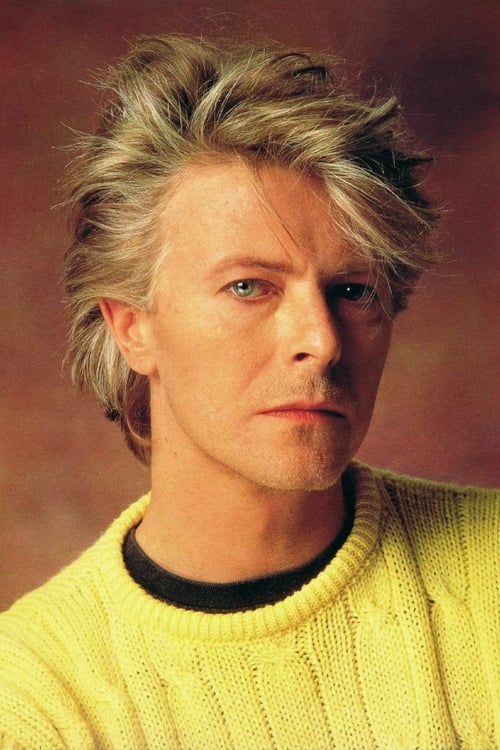
David Bowie
Biography
David Robert Jones, known professionally as David Bowie, was an English singer, songwriter and actor. He was a figure in popular music for over five decades, regarded by critics and musicians as an innovator, particularly for his work in the 1970s. His career was marked by reinvention and visual presentation, his music and stagecraft significantly influencing popular music. During his lifetime, his record sales, estimated at 140 million worldwide, made him one of the world's best-selling music artists. In the UK, he was awarded nine platinum album certifications, eleven gold and eight silver, releasing eleven number-one albums. In the US, he received five platinum and seven gold certifications. He was inducted into the Rock and Roll Hall of Fame in 1996. Born and raised in South London, Bowie developed an interest in music as a child, eventually studying art, music and design before embarking on a professional career as a musician in 1963. “Space Oddity” became his first top-five entry on the UK Singles Chart after its release in July 1969. After a period of experimentation, he re-emerged in 1972 during the glam rock era with his flamboyant and androgynous alter ego Ziggy Stardust. The character was spearheaded by the success of his single “Starman” and album The Rise and Fall of Ziggy Stardust and the Spiders from Mars, which won him widespread popularity. In 1975, Bowie's style shifted radically towards a sound he characterized as “plastic soul,” initially alienating many of his UK devotees but garnering him his first major US crossover success with the number-one single “Fame” and the album Young Americans. In 1976, Bowie starred in the cult film The Man Who Fell to Earth and released Station to Station. The following year, he further confounded musical expectations with the electronic-inflected album Low (1977), the first of three collaborations with Brian Eno that would come to be known as the Berlin Trilogy. Heroes (1977) and Lodger (1979) followed; each album reached the UK top five and received lasting critical praise. After uneven commercial success in the late 1970s, Bowie had UK number ones with the 1980 single “Ashes to Ashes,” its parent album Scary Monsters (and Super Creeps), and “Under Pressure,” a 1981 collaboration with Queen. He then reached his commercial peak in 1983 with Let's Dance, with its title track topping both UK and US charts. Throughout the 1990s and 2000s, Bowie continued to experiment with musical styles, including industrial and jungle. Bowie also continued acting; his roles included Major Celliers in Merry Christmas, Mr. Lawrence (1983), the Goblin King Jareth in Labyrinth (1986), Pontius Pilate in The Last Temptation of Christ (1988), and Nikola Tesla in The Prestige (2006), among other film and television appearances and cameos. He stopped concert touring after 2004 and his last live performance was at a charity event in 2006. In 2013, Bowie returned from a decade-long recording hiatus with the release of The Next Day. He remained musically active until he died of liver cancer two days after the release of his final album, Blackstar (2016).
Movies

The Rock & Roll Hall of Fame 2020 Inductions
2020

David Bowie: Live At The Tokyo Dome
1990

David Bowie - Sound and Vision
2003
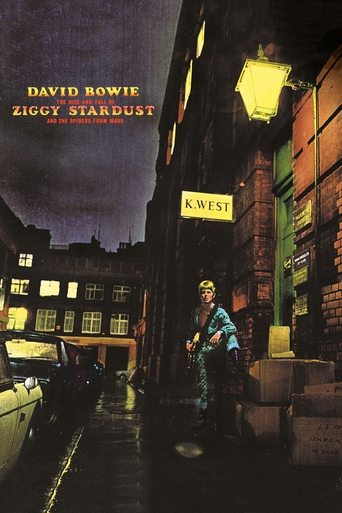
David Bowie: The Rise And Fall Of Ziggy Stardust And The Spiders From Mars (2024 Dolby Atmos Mix)
2024

David Bowie: Live Olympia Paris
2002

Live Aid
2004
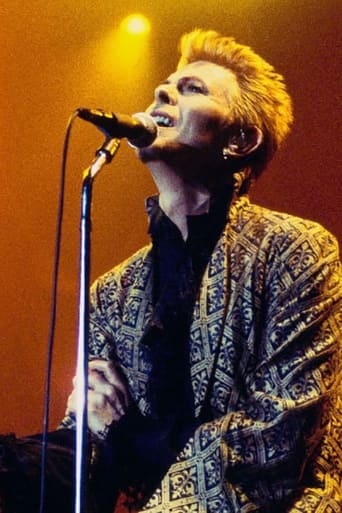
David Bowie: An Earthling at 50
1997

David Bowie: Live at Beat Club Musikladen
1978

David Bowie: Rockpalast
1996

Bowie at the BBC
2000
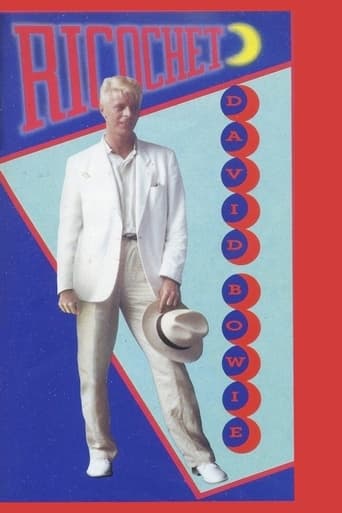
Ricochet
1984
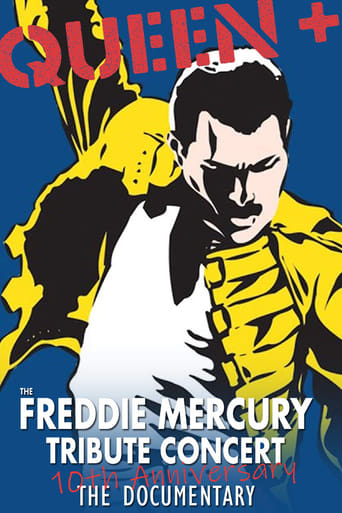
Queen - The Freddie Mercury Tribute Concert 10th Anniversary Documentary
2002
TV Shows

The Frame
2013

Seven Ages of Rock
2007

Twin Peaks
1990

Extras
2005

MTV Video Music Awards
1984

1971: The Year That Music Changed Everything
2021

Where Are They Now?
1999
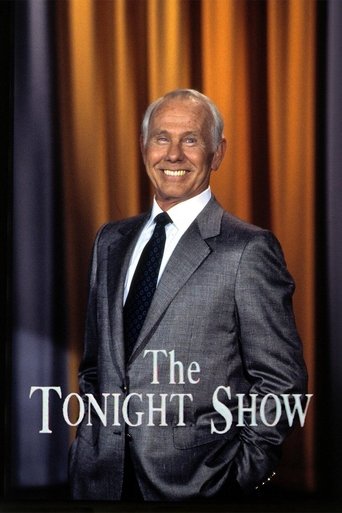
The Tonight Show Starring Johnny Carson
1962

70 Years of Youth Revolt
2020

Omnibus
1967

Theatre 625
1964
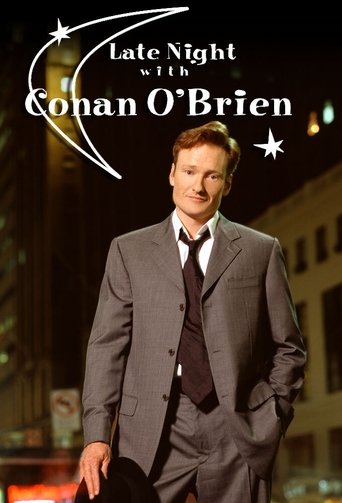
Late Night with Conan O'Brien
1993